Loading...
Serving Riverhead, NY and surrounding areas. (631) 381-4521
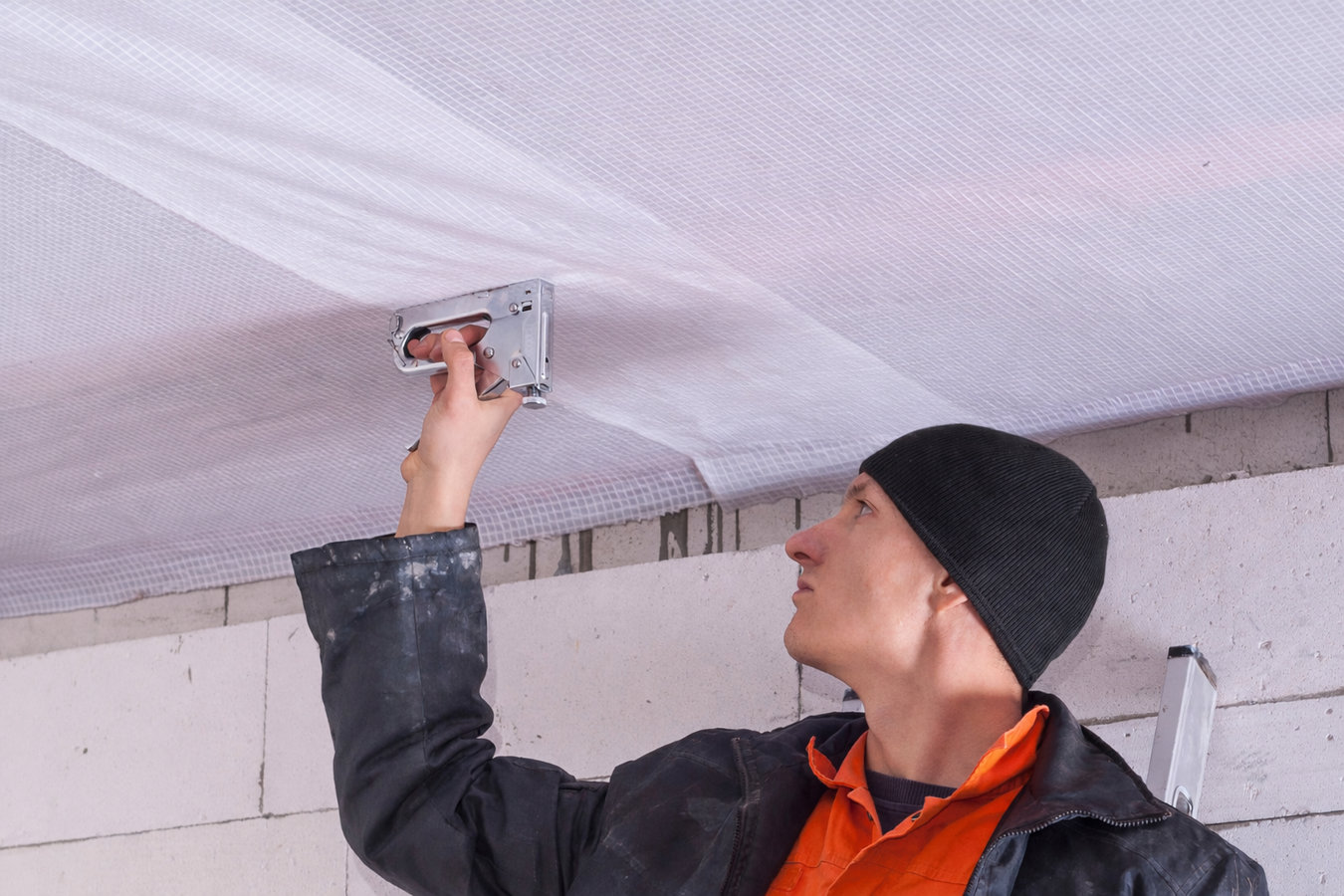
Moisture rising through your crawl space or basement floor damages insulation, rots framing, and drives up energy bills. We install vapor barriers in Riverhead homes that stop moisture at the source.
Vapor barrier installation in Riverhead covers the ground and lower walls of your crawl space or basement with heavy-duty polyethylene sheeting to block moisture from moving through the soil into your home - a standard crawl space job is completed in one to two days and homeowners typically notice the musty odor fading within a few weeks as the space dries out.
Riverhead's location at the head of Peconic Bay means the air here carries real humidity from late spring through early fall. That outdoor moisture does not stay outside - it flows into any crawl space or unfinished basement that is not properly sealed. In older homes across Riverhead built before modern moisture control standards existed, the damage from decades of unprotected ground exposure shows up as soft floors, musty air, and insulation that has absorbed so much moisture it no longer holds heat effectively.
For homes where moisture is entering from multiple points, vapor barrier installation works best when paired with crawl space vapor barrier work and thorough air sealing, addressing the full path moisture takes from the ground into your living space.
If your home develops a damp, basement-like odor when the weather turns warm and humid - which happens reliably every June through August in Riverhead - that smell is almost always moisture rising from an unprotected crawl space or basement floor. It tends to be strongest near floor vents, in ground-floor closets, or in rooms directly above the crawl space. This is one of the clearest early warnings that moisture is already moving through your home.
Wood floor joists and subfloor panels absorb moisture over time when there is no barrier below them. If you notice a section of your floor that has started to feel spongy or that creaks more than it used to, that is often a sign the wood has been taking on water from below. In older Riverhead homes with original wood framing, this kind of damage can develop quietly over years before it becomes visible.
When warm, moist air from an unprotected crawl space rises into your living space, it often shows up as condensation on cold surfaces - pipes, windows, or walls in cooler months. Seeing this regularly in your basement or on the first floor means moisture is moving through your home, and the crawl space is the most common source in homes without a vapor barrier.
If your energy bills have crept up but nothing obvious has changed, moisture-damaged insulation in the crawl space is a likely culprit. Wet insulation loses most of its effectiveness, so your heating and cooling system has to work harder to maintain temperature. This is especially common in Riverhead homes that went through several wet winters or humid summers without any moisture barrier in place.
We install vapor barriers in crawl spaces, basements, and below-grade areas throughout Riverhead using heavy-duty polyethylene sheeting - typically 10 to 20 mils thick - that holds up under foot traffic and resists tears from the rocks and debris found on most Long Island crawl space floors. Every installation covers the entire floor with no bare dirt showing, seams overlapped and taped, and the material fastened to the foundation walls. The details matter: a barrier that stops six inches from the wall or has unsealed seams is still letting moisture in.
When the scope calls for more than a basic ground cover, we also offer full crawl space encapsulation - sealing the walls, covering vents, and in some cases adding a dehumidifier that actively manages moisture year-round. For homeowners who need to coordinate both floor protection and ceiling insulation, attic air sealing pairs well with vapor barrier work to close the full stack of moisture and energy-loss pathways from basement to roofline.
Right for most Riverhead homes - heavy-duty sheeting covering the full crawl space floor and lower foundation walls with sealed seams and fastened edges.
For homes with unfinished or partially finished basements where ground moisture is wicking through the slab or coming through foundation walls.
Best for Riverhead homes near lower-lying areas or with persistent moisture problems - seals the entire crawl space and adds active humidity control year-round.
For older homes where deteriorated plastic sheeting has been in place for years - we remove the failed material cleanly before installing a properly sealed replacement.
Riverhead's position at the head of Peconic Bay means summer humidity here regularly climbs into the 70 to 80 percent range. That level of moisture in the air puts constant pressure on any crawl space or basement that is not properly sealed - the barrier has to work against outdoor air, not just groundwater from below. On top of that, much of the North Fork sits on sandy, glacially deposited soils that allow groundwater to move freely and rise closer to the surface during wet seasons. In a typical mid-century Riverhead ranch or Cape Cod, that combination has often been working against the structure for decades before the homeowner notices anything. The ENERGY STAR program identifies crawl space sealing as one of the most effective improvements available to homeowners with this type of foundation.
Timing also matters more here than in drier inland regions. Fall - after the summer humidity breaks - is the best window for vapor barrier work in Riverhead. The crawl space is drier, and getting protection in place before the next heating season means wet insulation is not working against your furnace all winter. We serve homeowners throughout the area including Mattituck and Eastport, where the same coastal moisture conditions apply and many homes face identical challenges. The U.S. Department of Energy notes that controlling moisture in crawl spaces is a foundational step before any other energy upgrade delivers its full benefit.
We ask a few basic questions - the size of your home, whether you have a crawl space or basement, and what you have noticed. We reply within 1 business day and schedule the on-site estimate from there at a time that works for you.
We go into your crawl space or basement and look at the current condition - checking for standing water, existing barriers that may need removal, mold, or structural concerns. This is your chance to ask questions and get a clear picture of what the job involves before any money changes hands.
After the assessment, you receive a written estimate breaking down the work, materials, and total cost. If a permit is required - for example, if the project is part of a larger renovation - we flag that now and explain how it affects the timeline so there are no surprises later.
The crew cleans out the space if needed, removes any failed old material, then lays the new barrier across the floor and up the walls, overlapping and taping every seam. Before leaving, we walk you through the finished work - you see exactly what was done and know what to watch for going forward.
Written quote, no pressure. Fall is the best time to get this done on Long Island - protect your home before the next heating season starts.
(631) 381-4521We walk every crawl space before we quote. If there is mold, standing water, or old material that needs to come out first, we say so in the estimate - not as an upsell after we have started. Sealing a barrier over an existing problem just traps it. You deserve to know what is down there before work begins.
New York State has specific requirements for moisture control work, and for larger projects the Town of Riverhead Building Department may require a permit. We know when one is needed and we handle that process for you - you do not have to figure out forms or worry about whether the work meets code.
Our written estimates specify the thickness of the sheeting, how seams will be handled, and how the barrier will be fastened to the walls. The Insulation Contractors Association of America sets industry standards for this work - we follow them, and you can verify that in writing before we start.
A lot of homeowners feel uneasy about work they cannot see once it is finished - especially work under the house. We show you the finished installation before we pack up, walk you through what was done, and explain what to look for going forward. You will not be left wondering whether the job was done right.
We have been serving Riverhead and the surrounding North Fork since 2017. That local experience - knowing the soil conditions, the housing stock, and what Riverhead's climate demands - shapes every recommendation we make and every installation we complete.
Attic air sealing that closes the gaps at the top of your home so conditioned air stays inside where it belongs.
Learn MoreCrawl space vapor barriers that block ground moisture and protect floor framing from the bottom up.
Learn MoreFall is the best window for this work on Long Island - get your assessment on the calendar now before the season fills up.