Loading...
Serving Riverhead, NY and surrounding areas. (631) 381-4521
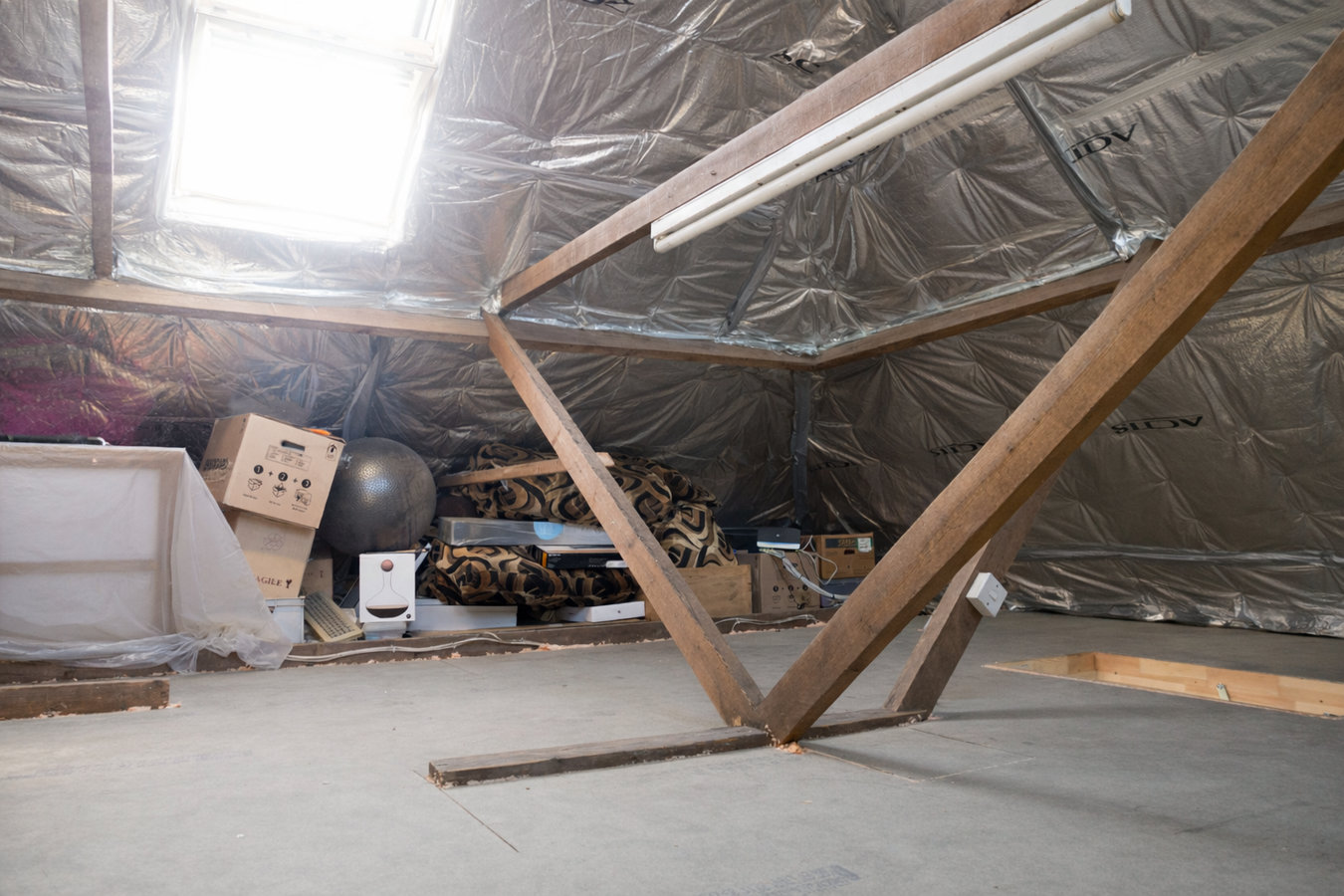
A thin or aging attic is the fastest way to lose the heat or cool air you are paying for. We install and upgrade attic insulation for Riverhead homeowners with a same-week estimate and a written quote before any work begins.
Attic insulation in Riverhead, NY slows the movement of heat through your ceiling in both directions - keeping warm air in during winter and blocking radiant heat from baking down into your living rooms in summer, with most installation jobs completed in a single day. For Long Island homes, the federal government recommends roughly 13 to 14 inches of blown-in insulation depth for this climate zone - a threshold that many homes built before the 1980s do not come close to meeting. A contractor can measure what you have in about 20 minutes.
If your attic has old or thin insulation, simply adding material on top is not always enough on its own. The step that makes the biggest difference is sealing air gaps - around light fixtures, plumbing pipes, and attic hatches - before any new insulation goes in. Skipping this step is one of the most common reasons homeowners are disappointed with their results. Our attic air sealing service addresses this specifically, and for many Riverhead homes it is the right starting point. For homes where blown-in insulation is the primary option being considered, our blown-in insulation page covers that material type and process in detail. According to ENERGY STAR, properly sealing and insulating your attic is one of the most cost-effective improvements a homeowner can make.
If your oil or gas bill climbs noticeably each winter without any change in your habits, heat is likely escaping through your attic. Riverhead winters are cold enough that even a modest gap in insulation coverage can translate into hundreds of dollars in extra heating costs over a season.
During a Riverhead summer, an attic with thin insulation acts like a heat collector, and that heat radiates down into the rooms below. If your second floor or top-floor rooms are noticeably warmer than the rest of the house even with the air conditioning running, the attic is the most likely culprit.
Ice dams are ridges of ice that build up at the edge of a roof when heat escaping through the attic melts snow on the upper part of the roof and that water refreezes at the cold eaves. They are a common problem on Long Island during cold snaps and can cause water to back up under shingles and into your home.
Many homes in Riverhead were built in the mid-20th century with insulation levels that fell short of today's standards. If the attic has never been inspected or updated, the original material has likely settled, compressed, or been disturbed by pests. A quick look by a contractor - most do this at no charge - can tell you exactly where you stand.
Most attic insulation jobs in Riverhead use blown-in material - either fiberglass or cellulose - because it fills in around joists, pipes, and irregular attic shapes far more effectively than pre-cut batts. For homes where the attic space is open and accessible, batt insulation is an option, but for the older ranch-style and cape-style homes common in Riverhead, blown-in is almost always the more practical choice. Our blown-in insulation service covers that specific application. Every attic job we do includes a moisture assessment and air sealing before the insulation material goes in.
For homes where air leakage is the primary driver of comfort problems and high bills, we often recommend starting with a dedicated attic air sealing treatment before adding insulation depth. The two services work together: the air sealing plugs the pathways where conditioned air escapes, and the insulation slows the temperature transfer that happens through the remaining surface area of your ceiling. Done in combination, they produce the most reliable improvement in comfort and energy costs.
The most common approach for existing Riverhead homes - loose-fill material blown in to the correct depth for Long Island's climate zone.
Pre-cut blanket rolls suited to attics with easy, open access - typically used in new construction or fully open attic spaces.
We seal gaps around light fixtures, pipes, and hatches before any insulation goes in, which is what separates a good installation from one that underperforms.
When existing insulation is wet, pest-damaged, or degraded past usefulness, we can remove it and start fresh with a properly sealed and insulated attic.
Riverhead sits at the base of the North Fork of Long Island, surrounded by water on multiple sides - the Peconic River runs through town, Peconic Bay is nearby, and the Atlantic coast is not far. That coastal humidity can work its way into attic spaces, especially in older homes with gaps and cracks in the ceiling. Wet or damp insulation loses much of its effectiveness and can contribute to mold growth, so a careful moisture assessment before installation matters here more than it would in a drier inland climate. Riverhead also experiences genuine four-season weather - winters that regularly dip below freezing and humid summers that push heat through under-insulated attic floors all day long.
A large share of Riverhead's housing stock was built between the 1950s and 1970s, when insulation standards were far less demanding than they are today. Homes from that era often have only a few inches of original material in the attic - far less than what is recommended for this climate. We serve homeowners across this area, including in Medford and Center Moriches, where the same mid-century housing conditions and coastal climate factors apply.
A team member asks a few basic questions about your home and what you have noticed. We respond within 1 business day and can usually schedule a free in-home estimate within the week. You do not need to prepare anything for this first visit.
We go up into your attic, measure the depth of existing insulation, check for moisture or pest damage, and look for air leaks around light fixtures, pipes, and the attic hatch. This typically takes 20 to 30 minutes. You get a written quote before we leave.
The crew seals any air gaps first - that is the step that makes the biggest difference in how well the insulation performs - then blows in the insulation to the correct depth across the entire attic floor. Most jobs take two to six hours. You can stay home.
We clean up any material near the attic hatch, walk you through the finished work, and leave you with written documentation of what was installed and the depth achieved. That paperwork supports any utility rebate or tax credit application you may have.
We respond within 1 business day and can usually schedule your free in-home assessment the same week. No obligation - just an honest look at what is there and what it would cost to fix it.
(631) 381-4521We have been insulating homes in Riverhead and across eastern Long Island since 2017. We know the local housing stock, the permit process at the Town of Riverhead Building Department, and the seasonal conditions that make attic work matter here.
We install to New York State energy code requirements for Long Island's climate zone and document each job from assessment to completion, so you have a clear record of exactly what went into your attic.
We seal gaps and cracks around light fixtures, pipes, and attic hatches before any insulation goes in. Skipping this step is the most common reason homeowners are disappointed with their results - we do not skip it.
PSEG Long Island offers rebates for qualifying insulation upgrades, and we document every installation with the depth and materials used. That paperwork is what you need to apply - and we make sure you have it before we leave.
Every one of these details came from working on Riverhead homes over the past several years - the permit questions, the rebate paperwork, the older housing stock, the coastal moisture. We bring that specific experience to every job we take on here.
Loose-fill blown-in material for attics and walls - the most effective option for filling irregular spaces in older Long Island homes.
Learn MoreSealing the gaps around fixtures, pipes, and hatches that let conditioned air escape - the step that makes attic insulation perform as expected.
Learn MoreRiverhead winters don't wait - schedule your assessment now and lock in your installation before heating season drives up demand.