
Loading...
Serving Riverhead, NY and surrounding areas. (631) 381-4521
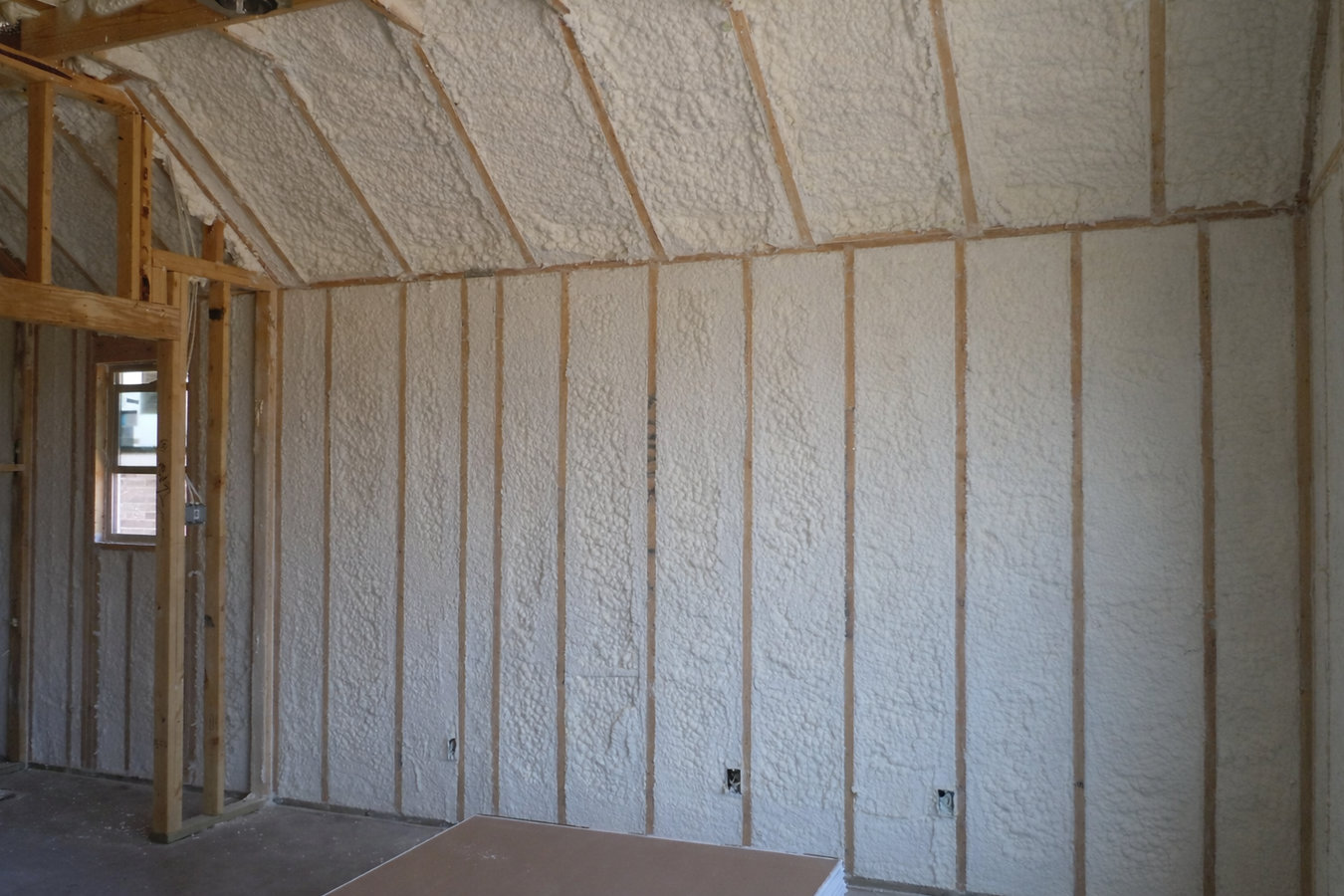
Cold floors, high energy bills, and damp crawl spaces are exactly the problems closed-cell foam solves in one installation - no ongoing maintenance, no replacement in ten years.
Closed-cell foam insulation in Riverhead is a spray-applied material that expands on contact, hardens into a dense rigid layer, and simultaneously seals air leaks and blocks moisture vapor - most crawl space and rim joist jobs are completed in a single day with no re-entry wait beyond a few hours.
Unlike fiberglass batts, which can sag, get wet, and lose their effectiveness, closed-cell foam bonds directly to the surface and stays put for the life of the home. It provides more insulating power per inch of thickness than any other common insulation type, which matters in tight spaces like crawl spaces and shallow roof cavities where you simply cannot fit a thick batt.
Homeowners who want a complete air and moisture solution often combine closed-cell foam with broader spray foam insulation across the attic or walls - making the entire home envelope dramatically tighter at once.
If your kitchen or living room floor feels cold underfoot in January even with the heat running, the problem is almost certainly coming from below. In Riverhead homes with uninsulated crawl spaces, cold outdoor air moves freely through the vented foundation and chills the floor from underneath. This is one of the most common complaints from homeowners in older East End neighborhoods.
Riverhead's coastal humidity means crawl spaces here are especially prone to moisture problems. If you notice condensation, musty odors, or water stains on the joists, moisture is getting in. Left alone, that leads to wood rot and mold - and closed-cell foam applied to the crawl space walls and rim joists is one of the most effective ways to stop it.
If the insulation in your attic or crawl space looks compressed, fallen down, or discolored, it is no longer doing its job. Fiberglass batts lose most of their insulating ability when wet or compressed, and they are common in Riverhead homes built before the 1990s. Replacing them with spray foam eliminates the sagging and moisture-absorption problems entirely.
If your heating bills in January and cooling bills in July feel out of proportion to the size of your home, air is escaping somewhere it should not be. Riverhead's cold winters and warm, humid summers both put pressure on a home's envelope. If your bills have crept up without a clear explanation, poor insulation is one of the first things worth investigating.
We install closed-cell spray foam in crawl spaces, basement rim joists, attic hatch areas, exterior walls, and any other location where a dense, moisture-resistant barrier is the right solution. The most common job we do is a crawl space encapsulation, where the foam is applied to the walls and floor joists to create a conditioned space that stays dry and stable year-round. We also install closed-cell foam as a flash coat in exterior walls before other insulation materials are added - a technique called flash-and-batt that combines the air-sealing strength of foam with the cost efficiency of other materials.
Closed-cell foam is one part of a complete home envelope strategy. Many homeowners follow up the crawl space work with open-cell foam insulation in the attic, where the softer material is a better fit for that application. Every job starts with an on-site assessment and ends with a written walkthrough so you know exactly what was done and why.
Ideal for homeowners dealing with cold floors, musty smells, or moisture damage under the house - especially common in Riverhead's older housing stock.
The rim joist area is one of the most common sources of air leakage in older homes - closed-cell foam fills every gap and bonds to the structure permanently.
Best for new construction, additions, or gut renovations where walls are open and the full benefit of foam can be captured before drywall goes up.
Combines a thin layer of closed-cell foam for air and moisture control with a cost-effective batt insulation fill - a popular approach for walls and sloped ceilings.
Riverhead sits at the fork of Long Island, with the Peconic Bay to the south and Long Island Sound accessible to the north. That coastal exposure means homes here deal with higher-than-average humidity year-round, and salt air accelerates the deterioration of building materials. For homeowners in this area, moisture management is not just a comfort issue - it is a durability issue. Closed-cell foam's ability to block moisture vapor makes it a particularly strong fit for coastal Suffolk County in ways that standard insulation simply cannot match.
A significant portion of Riverhead's residential neighborhoods - including areas like Jamesport and Aquebogue - contain homes built in the 1950s through 1980s that were never insulated to modern standards. Many have vented crawl spaces with little or no insulation on the floor joists. Homeowners near Southold and Aquebogue deal with the same conditions and see the same results after crawl space foam installations - warmer floors, lower bills, and a basement that no longer smells like a problem.
We reply within one business day. Expect a few basic questions about where you want foam applied, whether existing insulation needs to come out, and roughly how old the house is - so we come prepared.
We walk the crawl space, attic, or walls with you and assess access, existing conditions, and any prep work needed. You receive a written estimate with the area to be covered, foam thickness, and total cost - no vague ballpark figures.
Clear the work area of stored items and plan for you, your family, and pets to be out of the home during installation. We will confirm the exact re-entry time before we start - typically two to four hours after the crew finishes.
Once the foam cures - typically within an hour or two of the last pass - we walk through the finished area together. You will see the coverage for yourself, and we answer any questions before packing up. A good installation has even coverage with no gaps or thin spots.
Free on-site estimate. Written quote. No obligation. We reply within one business day.
(631) 381-4521We have worked on Riverhead homes and surrounding East End properties since 2017, which means we understand the specific combination of humidity, salt air, and older construction that makes moisture management so critical here. That experience shapes how we assess every job before recommending a material.
Our crews are experienced with East End homes and install to recognized industry standards for closed-cell foam. We document each job from assessment to completion, so you have a clear record of exactly what was sprayed and where. Spray Polyurethane Foam Alliance training standards guide our installation practices.
Spray foam produces fumes during application that require the home to be vacated. We give you a specific re-entry time before the crew starts - not a vague window, but a committed number. If anything changes during the job, we call you. Your family and pets are our responsibility to communicate with clearly.
Properly installed closed-cell foam does not sag, shift, absorb moisture, or degrade over time the way batts can. The EPA notes that correctly applied foam can remain effective for the life of the building. We stand behind that standard - if something is not right, we make it right.
These commitments mean you get closed-cell foam insulation in Riverhead that performs the way it should for the life of your home - installed by an experienced local crew that knows the climate and stands behind the work.
A softer, lighter spray foam well-suited for attics and interior walls where moisture vapor diffusion is acceptable and cost per square foot matters.
Learn MoreA broader overview of spray foam applications across attics, walls, and foundations - for homeowners deciding which foam type fits their project.
Learn MoreSchedule your free estimate before our fall slots fill up - closed-cell foam installed before winter means warmer floors and lower bills from day one.