Loading...
Serving Riverhead, NY and surrounding areas. (631) 381-4521
Riverhead Insulation has served Riverhead, NY with spray foam, attic insulation, crawl space insulation, and air sealing since 2017 - call today and get a written quote within one business day.
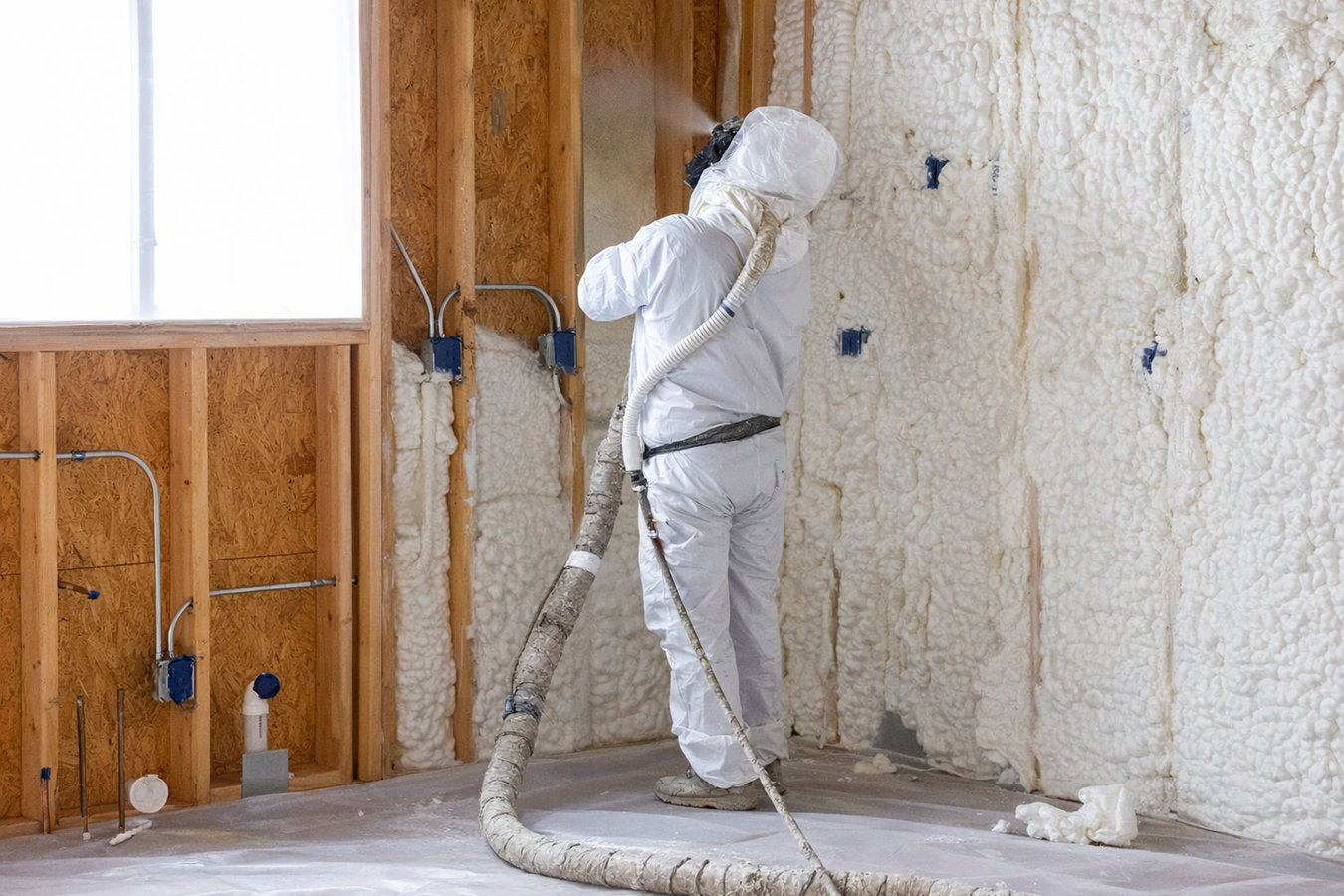
Riverhead homes built before modern energy codes often have significant air leakage around rim joists, attic penetrations, and wall cavities - problems that fiberglass batts simply cannot fix. Our spray foam insulation seals those gaps and insulates in one step, which matters especially in this part of Long Island where coastal humidity can degrade standard insulation faster than most homeowners expect.
The attic is where most Riverhead homes lose the most heat in winter and gain the most heat in summer. Ranches and cape-style homes built in the 1950s and 1960s - common throughout Riverhead neighborhoods - frequently have attic insulation that has settled to ineffective levels after decades. Upgrading the attic is often the single highest-impact improvement a homeowner can make.
Many Riverhead homes sit on crawl space foundations, and uninsulated crawl spaces let cold air directly under your living floor in winter. The sandy soil and groundwater proximity common near the Peconic River also raise moisture levels in crawl spaces here, making proper insulation and vapor control especially important for homes in lower-lying areas.
Air leaks - not just poor insulation - are the reason many Riverhead homes feel drafty in winter and stuffy in summer. PSEG Long Island customers pay some of the highest electricity rates in the country, which makes every gap in your building envelope expensive. Air sealing addresses the root cause of those leaks before insulation is added, giving you a much better result.
Blown-in cellulose or fiberglass fills existing wall cavities and attic floors without tearing out drywall - which makes it a practical choice for Riverhead homeowners who want to improve an older home without a major renovation. It settles into irregular spaces that batts cannot reach and handles the varied framing found in homes built across several decades of construction styles.
Riverhead sits at the head of Peconic Bay, and the humidity that comes with a coastal location works its way into crawl spaces and basements year-round. A properly installed vapor barrier controls that ground moisture before it can cause wood rot, mold, or structural damage - and it works best when paired with crawl space insulation as part of a complete encapsulation.
Riverhead has a housing stock that spans more than a century, from Victorian-era homes near the Peconic River waterfront to postwar ranches and capes built throughout the 1950s and 1960s, and more recent subdivisions toward Calverton. Each era came with its own approach to insulation - and in many cases, no real approach at all. Homes built before the 1980s were constructed before modern energy codes existed, and they were never designed to hold temperature the way current building standards require. That means a large share of Riverhead homeowners are living in homes that are working harder than they should be, and paying more for energy as a result.
The climate here adds another layer of urgency. Riverhead gets full four-season weather - cold enough in winter to freeze the ground solid, hot and humid in summer, and exposed to coastal moisture year-round from the Peconic Bay estuary. PSEG Long Island, which serves Riverhead, charges among the highest electricity rates in the country, which means every gap in your home's thermal envelope costs you more here than it would almost anywhere else. Nor'easters can push water and ice into uninsulated spaces, and the repeated freeze-thaw cycles of a typical Long Island winter wear on older construction in ways that show up as drafts, moisture, and rising bills over time.
Our crew has worked throughout Riverhead since 2017, pulling permits from the Town of Riverhead Building Department on East Main Street and working on the full range of housing the town has to offer - from the older wood-frame homes in the downtown neighborhoods near the Peconic River to the newer Colonials in subdivisions west of downtown toward Calverton. We know what to expect when we open up an attic in a 1960s ranch, and we know how the coastal humidity here behaves differently from what you would find further inland.
Riverhead is a big town, and the neighborhoods vary a lot. The areas close to the Long Island Aquarium and East Main Street tend to have older homes with original construction details that need careful attention. The neighborhoods out toward Route 58 and the Tanger Outlets corridor are more mixed, with homes from different eras sitting side by side. Out past Calverton toward the town's western edge, the lots get larger and the homes are often newer. We work across all of it.
We regularly serve homeowners in Aquebogue just to the east, as well as communities throughout western Suffolk County. If you are not sure whether we cover your address, call us - the answer is almost certainly yes.
We reply to every inquiry within one business day - often the same day. When you reach out, we will ask a few quick questions about your home and what you want addressed so we can show up prepared.
We visit your home, look at the areas you want insulated, and give you a written quote at no charge. This is where we talk through costs, what materials make the most sense, and whether any permits are involved - no surprises later.
Our crew handles the installation from start to finish. Most Riverhead jobs take one to two days. For spray foam work, you will need to be out of the home for a few hours while the foam cures - we will give you a specific timeline before we start.
Before we leave, we walk you through what was done and answer any questions. If your project required a permit, we handle the inspection scheduling. Ask about our warranty on the work.
We serve all Riverhead neighborhoods. Free written estimate, no obligation. Most requests get a same-day reply.
(631) 381-4521Riverhead is the county seat of Suffolk County, sitting at the point where the North Fork and South Fork of Long Island diverge. The town has a population of around 36,000 and stretches from the Peconic River waterfront through established residential neighborhoods out to larger lots in hamlets like Calverton and Aquebogue. Downtown Riverhead along East Main Street has been the focus of active revitalization, with the Long Island Aquarium, restaurants, and renovated storefronts drawing visitors from across the Island. Agriculture and the North Fork wine country surround the town to the east, giving many Riverhead neighborhoods a rural feel that sets them apart from the more densely built parts of Long Island.
The housing stock reflects the town's long history and recent growth. The oldest neighborhoods near downtown have homes dating back to the late 1800s and early 1900s. The largest share of the residential inventory was built in the postwar decades of the 1950s and 1960s - ranch-style and cape-style homes that now need updated insulation, window replacements, and energy improvements. Newer subdivisions built since the 1990s fill in toward the town's edges. Neighboring Aquebogue sits just east of Riverhead along Route 25, and we serve that community regularly as well. Owner-occupied homes make up the majority of Riverhead's housing, and homeowners here tend to take a long-term view of their property investments.
Seals gaps and delivers superior energy efficiency in one application.
Learn MoreEliminates drafts and air leaks that drive up heating and cooling costs.
Learn MoreHigh-density foam that insulates and strengthens building assemblies.
Learn MoreUpgrades existing homes with modern insulation without major disruption.
Learn MoreOur crew serves all Riverhead neighborhoods - call now or submit a request and hear back within one business day.