Loading...
Serving Riverhead, NY and surrounding areas. (631) 381-4521
Your home is already built, but that does not mean it has to stay under-insulated. We add insulation to Riverhead homes without tearing out walls or gutting the structure - just better comfort and lower energy bills.
Retrofit insulation in Riverhead means adding insulation to a home that is already built - contractors use specialized blowing equipment to fill attic floors, wall cavities, and crawl spaces through small access holes that are patched when the job is done, with most attic jobs completed in a single day and most homeowners noticing a difference in comfort within the first full heating season.
Most homes built before 1980 in Riverhead were constructed when energy efficiency was not a design priority. The walls have little or no insulation, the attic has a thin layer that has likely settled over decades, and the crawl space may have nothing at all. If your home falls into that category, it is losing a meaningful amount of heat every winter - and paying for it on your PSEG Long Island bill every month. Retrofit insulation addresses that without the disruption of a renovation.
A good retrofit job also includes air sealing before insulation goes in - because adding insulation over existing gaps means air still flows around the material and the results fall short. For homes where the attic is the starting point, pairing this work with full home insulation planning ensures every zone of the building gets the attention it needs.
If your energy bills climb sharply from November through February and do not respond much to adjusting your thermostat, heat is escaping through your walls, attic, or crawl space. Riverhead winters are cold enough that an under-insulated home can cost hundreds of dollars more per season than it should - this is the most common reason homeowners in the area call for an insulation assessment.
If one or two rooms in your home are always noticeably colder than the rest - especially rooms on exterior corners or above a crawl space - that is a strong sign those areas have little or no insulation in the walls or floor. This is especially common in older Riverhead homes where insulation was never added to exterior walls during construction.
Hold your hand near an electrical outlet or light switch on an outside wall on a cold day. If you feel cool air coming through, the wall cavity behind it is either empty or has gaps letting outside air in. This is a quick, no-tools test that any homeowner can do - and a positive result almost always means the walls need attention.
If you know your home is more than 40 years old and you have no record of insulation being added or upgraded, it almost certainly needs attention. Homes built in that era were constructed to standards now considered well below what is needed for comfort and efficiency - and many have no insulation at all in their exterior walls.
We treat the three areas that matter most in Riverhead homes: attics, exterior walls, and crawl spaces. Attic work is the highest-return starting point - heat rises, and a thin or settled attic layer loses the most energy first. We blow insulation across the attic floor after air sealing any gaps, bringing coverage up to current recommended levels in one visit. For exterior walls, we use dense-pack blown-in insulation through small drilled holes - either from outside through the siding or from inside through the drywall - filling the cavity completely before patching the access points so the finished result is nearly invisible.
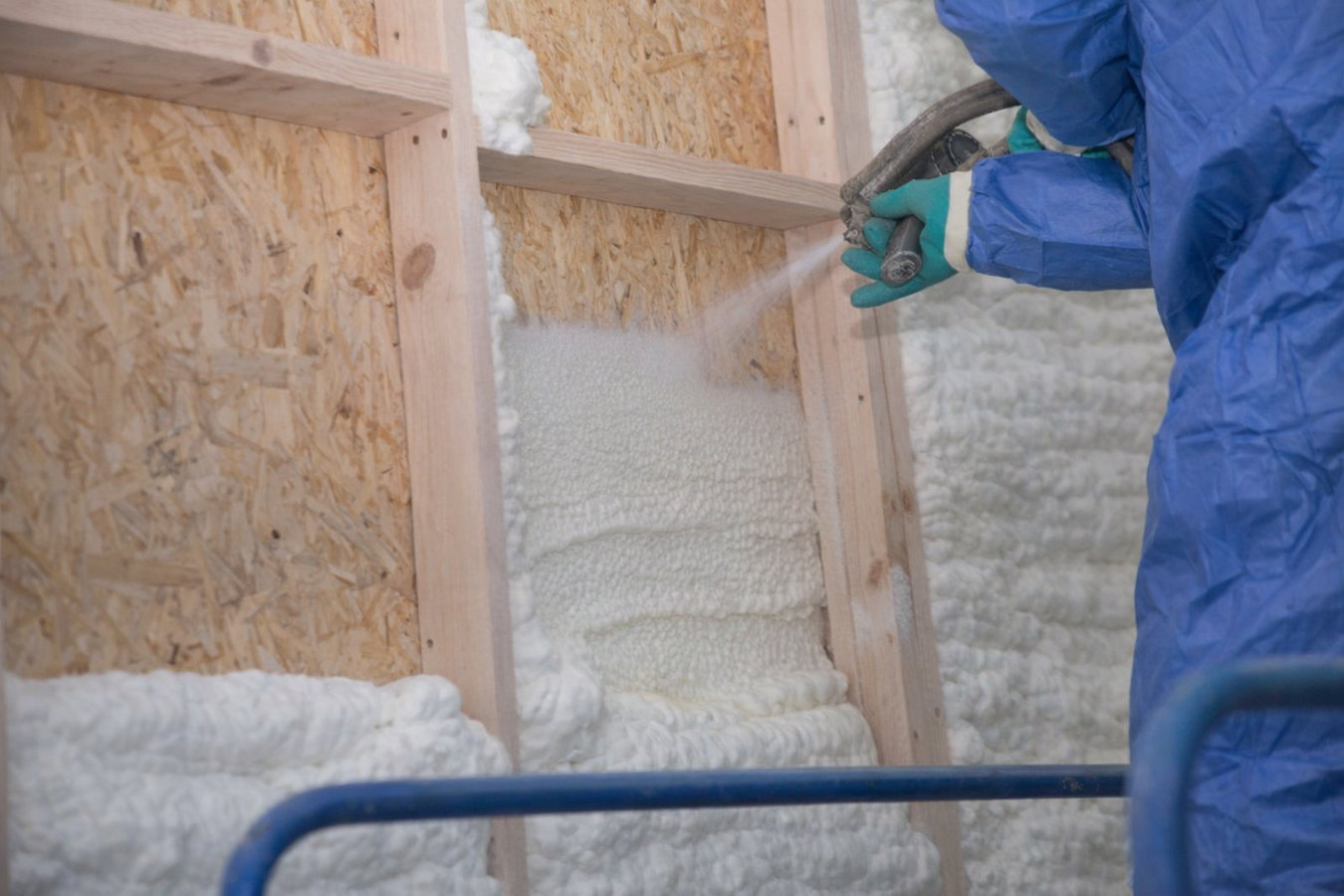
Crawl spaces in Riverhead homes are often left uninsulated and unsealed, which lets cold air and moisture work their way into the living space from below - and that problem shows up as cold floors, higher heating bills, and moisture damage to floor framing over time. We address crawl space insulation as part of a retrofit scope when the assessment shows it is needed. For homeowners who also need help with air movement at a more targeted level, spray foam insulation is available for rim joists and other areas where a continuous air and thermal barrier in one step is the right approach.
Right for most Riverhead homes - adding a full layer of blown-in insulation over the attic floor after air sealing to bring coverage up to current standards.
For older homes with empty or under-filled wall cavities - blown in through small drilled holes that are patched when the job is done, with minimal interior disruption.
For homes where cold floors or moisture problems trace back to an uninsulated crawl space - addressing the floor framing, foundation walls, or both depending on the configuration.
For homeowners who want to address attic, walls, and crawl space in one coordinated project - often the most cost-effective approach when multiple zones need attention.
Riverhead's residential neighborhoods include a significant share of homes built in the mid-20th century - ranch-style homes, Cape Cods, and two-stories from the 1950s through 1970s that are now 50 to 70 years old. These homes were built when insulation requirements were minimal by today's standards, and decades of settling, added wiring, and renovation have made the situation worse, not better. Combined with Riverhead's genuine winters - January lows regularly dipping into the 20s - and the high electricity rates that come with being on the PSEG Long Island grid, the payback period on a retrofit insulation project here is shorter than in many other parts of the country. The energy you are losing today is real money, and it compounds every season you wait.
Long Island's humid summers add a second dimension that most homeowners do not think about: an under-insulated attic or crawl space creates conditions where moisture-laden summer air condenses inside your walls and structural framing, leading to mold and wood damage that shows up years later as an expensive repair. Homeowners in Mattituck and Aquebogue deal with the same older housing stock and the same two-season pressure - and the same opportunity to address it with a well-planned retrofit project.
We will ask about your home's age, which areas concern you most, and any specific problems you have noticed - cold rooms, high bills, drafts. Most Riverhead homeowners hear back within one business day, and we schedule an in-home assessment rather than quoting over the phone.
A technician walks through your attic, exterior walls, and crawl space - checking existing insulation levels, identifying air leaks, and noting any moisture issues that need to be addressed before new insulation goes in. The visit takes one to two hours and ends with a written estimate, not a sales pitch.
The crew arrives with a truck-mounted blowing machine. For attic work, they seal gaps first, then blow insulation across the floor - most attic jobs finish in one day. Wall work takes two to three days due to the drilling, filling, and patching involved. You can stay home throughout.
Before leaving, the crew walks you through the completed work - showing before-and-after photos of the attic or wall cavities, pointing out where access holes were patched, and answering questions. All debris is removed and work areas are left clean. You can use your home normally the same day.
We will assess your attic, walls, and crawl space and give you a clear written quote - so you can compare options and make a confident decision.
(631) 381-4521We have been insulating homes in Riverhead and across Suffolk County's East End since 2017. That means we know the local housing stock - the postwar ranches, the Cape Cods, the older two-stories near downtown - and the insulation challenges that come with each type.
A thorough retrofit means sealing gaps first, then insulating on top - because insulation alone does not stop air from moving through cracks. We include air sealing as a standard part of attic retrofit work, not an upsell. According to the ENERGY STAR Seal and Insulate program, sealing first is the approach that delivers the energy savings homeowners expect.
New York State offers real rebates for qualifying insulation upgrades - not just small tax credits, but meaningful reductions in what you pay out of pocket. We are familiar with the NYSERDA program requirements and can tell you upfront whether your project qualifies and what documentation you will need to submit the claim.
We document before-and-after conditions with photos in every attic and wall cavity we work in. You get a clear record of what was installed - something you can reference for rebate claims, home sales, or your own peace of mind. You will not have to wonder whether the work was done right.
Local experience, transparent estimates, proper sequencing of air sealing and insulation, and documentation you can use - that is what a professional retrofit insulation job in Riverhead looks like when it is done correctly.
Spray foam insulation that seals and insulates in one step - ideal for hard-to-reach cavities, rim joists, and areas where a tight air barrier matters most.
Learn MoreComprehensive home insulation services covering every zone of your home, from attic to crawl space, with a single coordinated project plan.
Learn MoreSchedule your free estimate before heating season - installation slots fill quickly in fall and winter stays cold either way.