Loading...
Serving Riverhead, NY and surrounding areas. (631) 381-4521
If the floors above your basement feel cold all winter, uninsulated foundation walls are almost certainly the reason - and we can fix that with a single visit.
Basement insulation in Riverhead creates a barrier that slows heat from escaping through your foundation walls, most jobs take one to two days, and the difference in comfort is usually noticeable from the first cold snap after installation.
Most Riverhead homes built before the 1980s have bare concrete or block walls in the basement - meaning heat escapes every winter through your foundation with nothing stopping it. Basement insulation puts an end to that. It also protects the floors above from the chill that creeps up through uninsulated subfloor.
If your basement is also damp or musty, moisture has to be addressed before insulation goes in. Many homeowners pair basement insulation with closed-cell foam insulation precisely because it insulates and blocks moisture vapor at the same time - one material, two problems solved.
Walking across your kitchen or living room floor in January and feeling cold underfoot is almost always a basement problem. In Riverhead homes with uninsulated foundations, cold outdoor air moves freely and chills the floor from below. Adding insulation stops that transfer at the source.
Walk down to your basement and look at the walls. If you see exposed concrete or cinder block with nothing covering it, your foundation is uninsulated. Most homes built before the 1980s in Riverhead were constructed this way - standard practice at the time, but it means your basement is acting like a giant heat sink every winter.
A damp odor or visible moisture is something to address before insulating, not after. Look for water stains, white chalky deposits, or wet spots after a heavy rain. Riverhead's seasonal groundwater patterns make this more common than many homeowners expect - catching it early prevents much bigger problems down the road.
If your heat runs constantly from November through March but the house never feels consistently warm, heat is escaping through your foundation. Riverhead winters are long enough that an uninsulated basement can add hundreds of dollars to your annual heating bill - a cost that continues year after year until the walls are properly insulated.
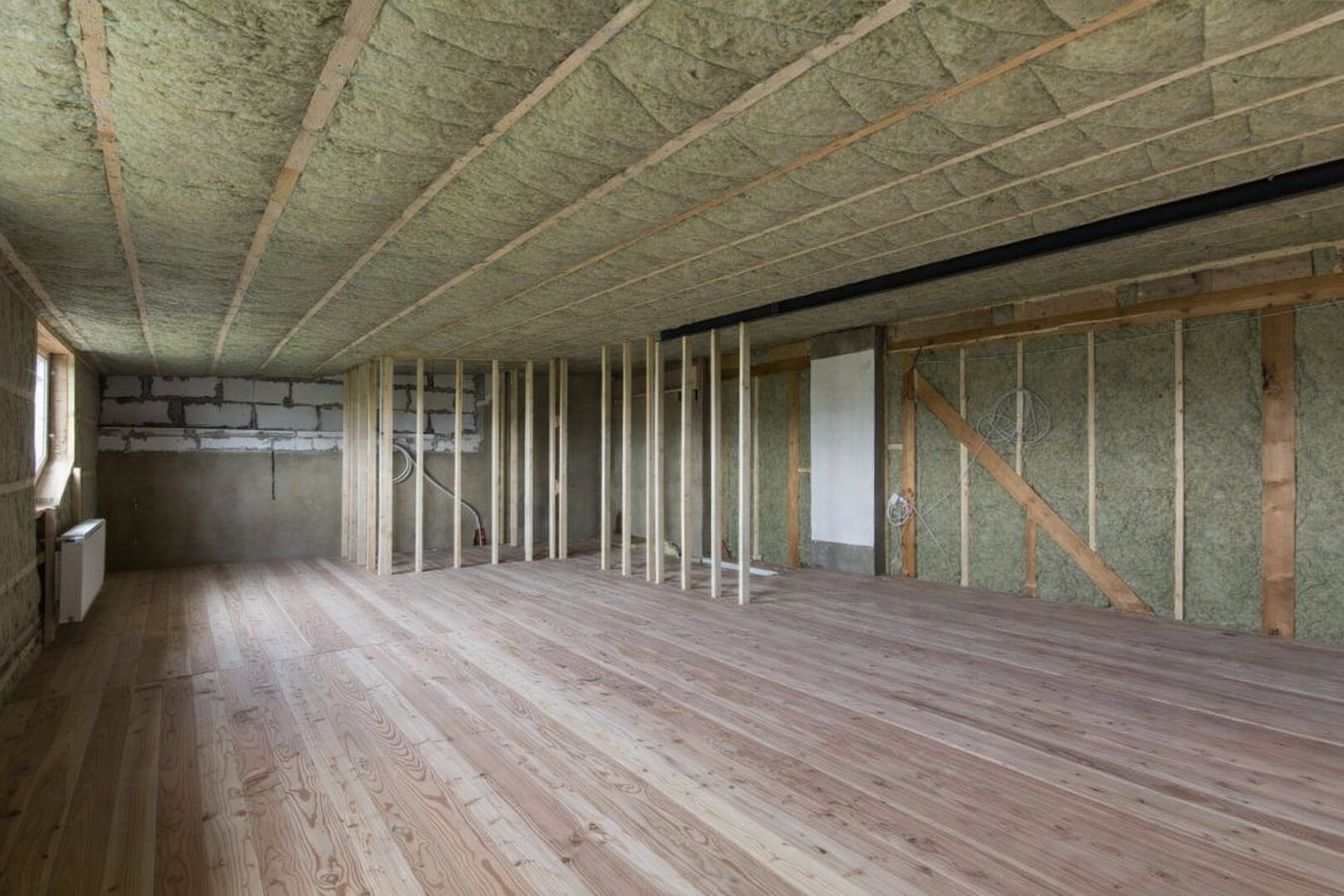
We install two main types of basement insulation: spray foam and rigid foam board. Spray foam is applied wet, expands to fill every gap, and hardens into a layer that blocks both air and moisture - it is especially well-suited for older Riverhead homes with irregular concrete walls. Rigid foam board comes in flat panels that are cut and fitted against the foundation; it is a cost-effective choice for newer basements with smoother, more consistent surfaces.
We also help homeowners decide between insulating the walls or the ceiling of the basement, depending on how the space is used. If you pair basement insulation with vapor barrier installation, you get a complete moisture and thermal system that protects both the basement and the living areas above it. Every job includes a written estimate and a walkthrough when the work is done.
Best for older homes with irregular foundation walls, moisture concerns, or gaps that standard panels cannot fill cleanly.
A cost-effective choice for basements with flat, accessible walls where a precise panel fit delivers consistent coverage.
Ideal for homeowners who use the basement as living or working space and want the whole below-grade area to stay warm.
The right approach when your basement stays unheated and your main goal is keeping the rooms above comfortable and draft-free.
Riverhead sits at the base of the North Fork, where winters are cold and damp - average January lows hover in the mid-20s Fahrenheit, and the surrounding water keeps humidity elevated year-round. That combination puts constant pressure on your basement from both cold air and moisture. Much of Riverhead's residential housing was built between the 1940s and 1980s, a period when basement insulation was rarely included in new construction. If your home is from that era, your foundation walls very likely have little or no insulation, and you are losing heat through bare concrete every single winter.
Suffolk County's soil is famously sandy, which helps with drainage after rain - but that does not mean basements stay dry. Seasonal groundwater fluctuations and heavy storms can push moisture through older foundation walls that lack modern waterproofing. That is why we assess every basement for water intrusion before recommending a material. Homeowners near Aquebogue and Mattituck deal with the same conditions and benefit from the same approach - insulation that works with the local climate rather than ignoring it.
We reply within one business day. You will speak with someone who asks a few basic questions - basement size, finished or unfinished, any known moisture issues - so we can schedule the right assessment.
We walk your basement, check the walls, ceiling, and any existing insulation, and look for signs of moisture. You receive a written estimate that spells out the material, scope, and total cost - no vague ballparks.
Clear the basement before we arrive - move stored items to the center of the room or upstairs and ensure easy access to mechanical equipment. Most standard jobs finish in one day; larger basements may take two.
When the work is done, we walk you through the finished space and show you what was installed and where. We leave the basement clean - no loose material, no debris. If a permit was pulled, we handle scheduling the inspection.
Free estimate. Written quote. No pressure. We reply within one business day.
(631) 381-4521We have been working on homes throughout Riverhead and the surrounding East End since 2017, which means we understand the older housing stock, the seasonal moisture patterns, and the permit process through the Town of Riverhead Building Department. That local experience saves time and prevents surprises on the job.
We check every basement for water intrusion signs before recommending a material. If moisture needs to be addressed first, we tell you that upfront rather than insulating over a problem. This protects your investment and keeps us accountable to a result that actually lasts.
New York State requires permits for most basement insulation work, and we manage the entire process - application, scheduling, and inspection. You do not have to track down forms or coordinate with the building department. The permit documentation stays with your home records, which matters when it is time to sell. NYSERDA also offers rebate programs we can help you navigate.
Every estimate we provide is written, itemized, and includes everything - materials, labor, disposal if needed, and permit fees where applicable. There are no add-on charges after the fact. You know exactly what you are agreeing to before any work begins.
Together these commitments mean you can schedule basement insulation in Riverhead without worrying about moisture surprises, permit headaches, or a bill that does not match the quote. We do the job correctly the first time and stand behind the result.
A dense, moisture-resistant spray foam that insulates and air-seals in a single application - a strong fit for basements and crawl spaces in Riverhead's coastal climate.
Learn MoreA protective membrane installed in basements and crawl spaces to block ground moisture before it can damage insulation or framing.
Learn MoreSchedule your free estimate now - our fall and winter booking slots fill quickly and we want to make sure your home is ready.