
Loading...
Serving Riverhead, NY and surrounding areas. (631) 381-4521
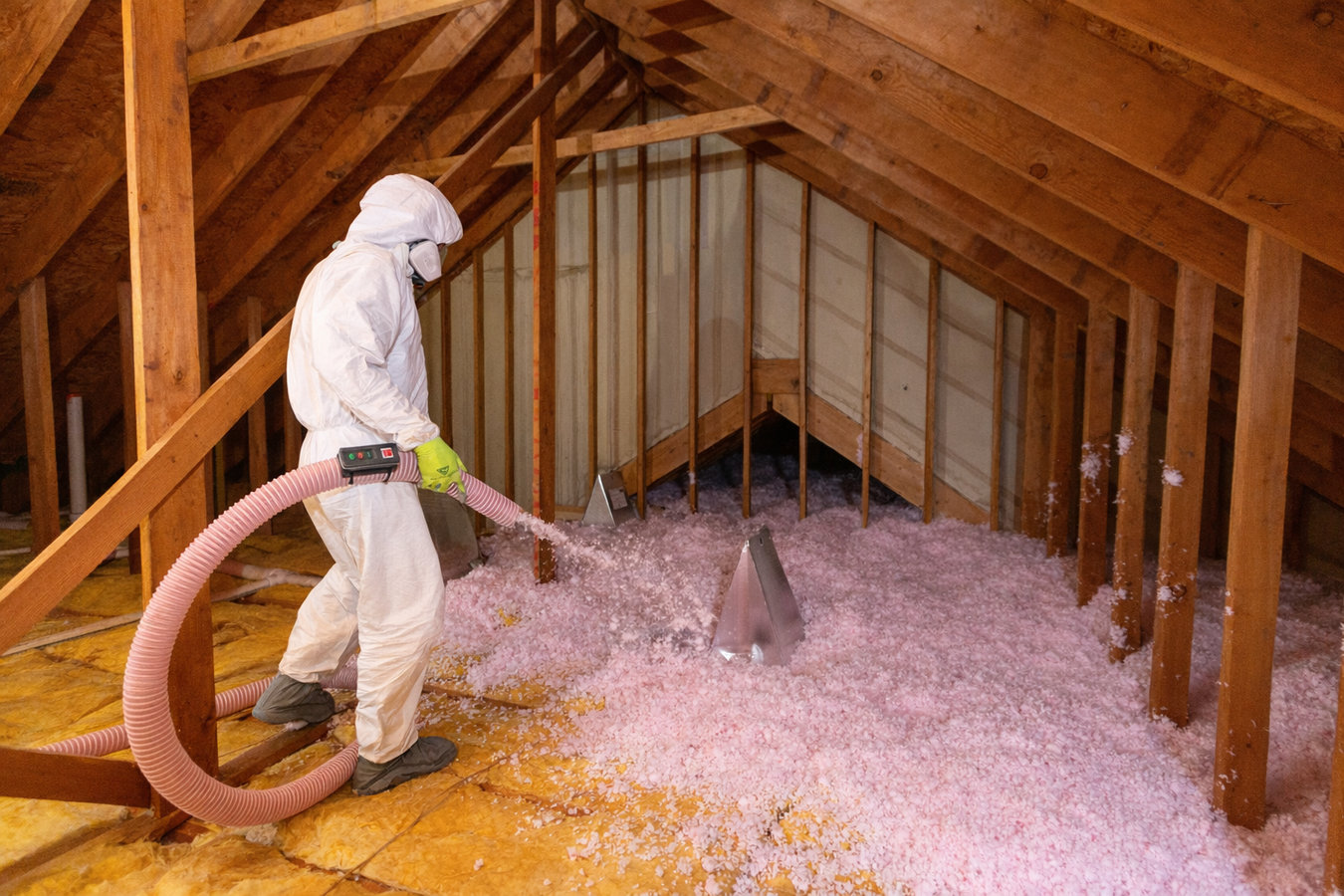
Riverhead Insulation provides blown-in, spray foam, and attic insulation to Patchogue homeowners - serving Cape Cods and older village homes near the Great South Bay since 2017, with written quotes back within one business day.
Most Patchogue homes from the 1950s and 1960s were built with little to no wall insulation and minimal attic coverage, leaving them drafty in winter and hot in summer. Our blown-in insulation fills attics and wall cavities completely without removing drywall or siding - the most practical upgrade for village homes where exterior character needs to be preserved.
Patchogue Cape Cods and ranches typically have low-pitch attics that lose heat faster than larger homes because the attic floor is close to the living space. Upgrading attic insulation to current New York State code levels is the single highest-return improvement most Patchogue homeowners can make - reducing heating costs through the long South Shore winters and cooling costs in humid summers near the bay.
Homes within a short distance of Patchogue Bay and the Great South Bay deal with salt air and humidity year-round, conditions that degrade standard insulation faster than inland locations. Spray foam creates a continuous air and moisture barrier that standard fibrous materials cannot match - particularly effective at rim joists and crawl space walls in Patchogue homes where coastal moisture is a persistent concern.
Patchogue's sandy South Shore soil and proximity to the water table mean crawl spaces here often deal with ground moisture that does not fully stop even in dry summers. An insulated, encapsulated crawl space keeps that moisture from working into floor joists and subfloors, protecting the structural integrity of older Patchogue homes and improving comfort in the rooms above.
Older Patchogue homes - especially those built before 1970 - have accumulated decades of gaps around pipes, wiring, and attic hatches that let conditioned air escape year-round. Air sealing these penetrations before insulation is added produces a meaningfully tighter thermal envelope and eliminates the drafts that make rooms near exterior walls uncomfortable during nor'easters and cold snaps off the South Shore.
Ground moisture from Patchogue's sandy, near-coastal soil migrates up through uncovered crawl space floors and into wood framing over time. A properly installed vapor barrier stops that moisture at the ground surface, protecting floor joists and subfloors that would otherwise soften, grow mold, and need costly replacement - a common finding in older homes near the village waterfront.
Patchogue is a densely built village with a housing stock that skews old. Homes near the downtown and waterfront date to the late 1800s and early 1900s, built at a time when insulation was not part of construction practice. The larger share of the village - the Cape Cods and ranches on the streets east and west of Main Street - was built in the 1950s and 1960s, when minimal fiberglass batt was the standard. Neither category meets current New York State energy code requirements, and both have had decades to accumulate air leaks, moisture damage, and compacted or missing insulation that drives heating and cooling costs above where they should be.
The coastal location adds a specific complication that homes further inland on Long Island do not face. Salt air off Patchogue Bay and the Great South Bay accelerates the breakdown of certain insulation materials, particularly fiberglass batts in exposed locations like crawl spaces and rim joists. The humidity that comes with a South Shore address also creates conditions where vapor barriers and moisture management are not optional extras - they are part of a correctly designed insulation system. Getting both the material selection and the moisture details right matters a great deal in Patchogue.
Our crew works throughout Patchogue regularly, and we understand the local conditions that affect insulation work here. The village has its own building department - the Village of Patchogue - which handles permits separately from the surrounding Town of Brookhaven. We pull permits from both offices depending on exactly where a job is located, and we know the difference. Most of the homes we work on here are the postwar Cape Cods and ranches that fill the residential streets between Sunrise Highway and the waterfront.
Patchogue runs along South Ocean Avenue and Main Street down to the bay, with the Long Island Rail Road Patchogue station at the north end of downtown. We work throughout the village - from the older Victorians and Colonials close to the waterfront to the newer construction further back from the water. The village is compact enough that we can usually schedule and complete a job in Patchogue on the same week we first hear from a homeowner.
We also serve homeowners in Medford directly to the north, and throughout the surrounding communities in western Suffolk County. If you are not sure whether we cover your address, give us a call.
Reach us by phone or through our contact form. We get back to every Patchogue inquiry within one business day - usually the same day if you call before noon.
We come to your home, look at the attic, crawl space, and any other areas of concern, and give you a written quote with no obligation. There are no hidden fees added later - the price we quote is what you pay.
Most Patchogue jobs are completed in a single day. We work around your schedule and clean up fully before we leave - you will not be living around a job site for days.
Before we leave, we walk you through what was done and confirm the work is complete to your satisfaction. If anything needs attention, we address it on the spot - not after the fact.
Call us or send a message. We serve Patchogue and the surrounding South Shore communities, and we will get back to you within one business day with a straight answer and a written quote.
(631) 381-4521Patchogue is an incorporated village on Long Island's South Shore, situated in Suffolk County on the edge of Patchogue Bay and the Great South Bay. The village covers a compact area of roughly two square miles and is home to about 12,500 residents. The housing stock ranges from late 1800s Victorian and Colonial homes near the Main Street core to postwar Cape Cods and ranches filling the streets east and west of downtown. The Village of Patchogue is known for its active Main Street corridor, which has gone through a documented revival over the past 15 years with restaurants, shops, and community institutions - anchored by the Patchogue Theatre for the Performing Arts on Main Street.
The village has its own Long Island Rail Road station on the Montauk Branch, making it a practical base for commuters while also giving it a recognizable center that many other South Shore communities lack. The waterfront at the southern edge of the village - including the marina and boat launch on Patchogue Bay - is a feature nearly every resident knows. We serve homeowners throughout Patchogue, and we also work regularly in Southampton and other communities across Suffolk County's South Shore.
Seals gaps and delivers superior energy efficiency in one application.
Learn MoreEliminates drafts and air leaks that drive up heating and cooling costs.
Learn MoreHigh-density foam that insulates and strengthens building assemblies.
Learn MoreUpgrades existing homes with modern insulation without major disruption.
Learn MorePatchogue homes lose heat and money through under-insulated attics and drafty crawl spaces every winter - call us now and we will tell you exactly what your home needs and what it costs.